
Speakers & Guests 2026
Sunday 14 June
Opening session
This investigation was developed by the international research agency Forensic Architecture and the Colombian Truth Commission, institution created under the 2016 peace agreements between the FARC-EP and the Colombian government, and which presented its final report in 2022.
The investigation shows the articulation between violence against people and violence against the land. It deepens on the various mechanisms of dispossession in the banana enclave of Urabá Antioqueño, specifically the rural areas of Nueva Colonia, municipality of Turbo (Colombia): physical violence resulting from the massacres committed in 1988 by paramilitaries with the participation of the militares, drug traffickers and large landowners in the region; bureaucratic, financial and institutional violence that allows and conceals economic transactions involving land, with the participation of national and multinational companies, including Chiquita Brands; and environmental violence, present in the radical transformation of the landscape and the unsustainability of rural life.
These aspects are revealed through spatial analysis, data mining and 3D reconstruction, to show what often appears hidden and inaccessible. The project was based on collaboration with peasant communities, human rights organisations and activists, magistrates who conducted investigations into the massacres, and an interdisciplinary group comprising historians, scientists, geographers, lawyers, journalists, students, designers, artists and architects.
This research is part of a wider project, titled Traces of disappearance, which has also worked with two other issues of armed conflict and human rights violations in Colombia: the forced disappearance in the case of the Palace of Justice and the violence against the Nukak territory and the Nukak people, in the Colombian Amazon. The results of the project have been displayed since December 2021 in some of Colombia’s leading museums in Bogotá, Medellin and Cali, as well as internationally. They have also been disseminated in audiovisual form in cinemas and discussed in various academic, educational and pedagogical activities.
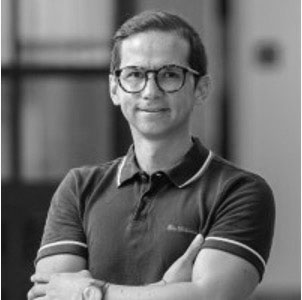
Andrés Celis Rodríguez
Bio
Political scientist and journalist specializing in human rights and international humanitarian law, with a master’s degree in the sociology of law. Researcher and consultant with over 10 years of experience in projects related to the dynamics of violence, transitional justice, the Colombian armed conflict, and organized crime. He was part of the research team for the Colombian Truth Commission. He writes opinion columns for the Spanish newspaper El País.
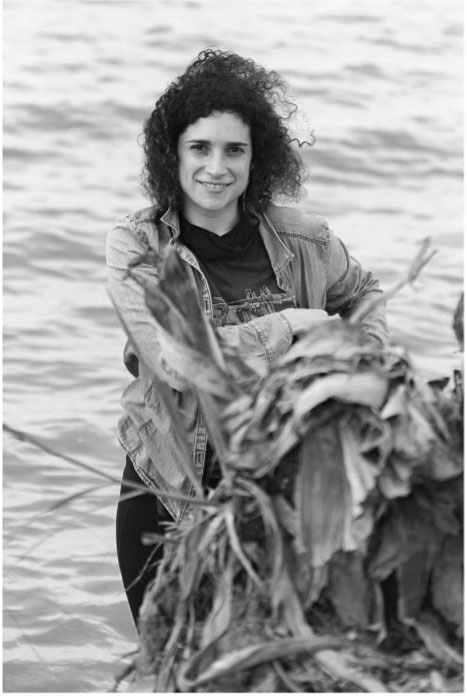
Hannah Meszaros Martin
Bio
Hannah Meszaros Martin is an artist, filmmaker and writer. She holds a PhD from the Centre for Research Architecture, Goldsmiths, University of London. She is a Research Fellow at Forensic Architecture (FA), which she has been a member of since 2012. She was the Researcher in Charge of FA’s multi-year collaboration with the Truth Commission (Comision de la Verdad) in Colombia.
With FA, she has exhibited at the House of World Cultures (Berlin), MACBA (Barcelona) MUAC (Mexico City), and mostly recently at the Banco de la Republica (MAMU) in Bogotá. She contributed to the book FORENSIS (Sternberg, 2014). She has exhibited solo work in Medellín, London, documenta(13), and Manifesta13 (Marseille). She has published with the Journal of Political Ecology, Journal of Visual Cultures, Open Democracy, Third Text and Different Skies (a publication that she co-founded in 2012), and FORENSIS (Sternberg Press, 2014). She co-directs Plano Negativo, a studio of visual investigation in Bogotá.
Oscar Pedraza
Bio
Dr Oscar Pedraza is a Research Associate in the Department of War Studies, working on the research project, Mapping Injury, led by Professor Vivienne Jabri, selected by the ERC Advanced, and funded by the UKRI Frontier Research Grant. The project investigates ‘injury’ in its multiple sites and manifestations in the Global South, and its impact on political agency and global mechanisms of response. Oscar’s research on the project focuses on Colombia.
Oscar has a PhD in Anthropology from the City University of New York, Graduate Center. Before coming to King’s Oscar held positions at UCLA at the Institute of Genetics and Society, University of Southern California’s Center of History Law and Culture and Bard College Human Rights and the Arts program. He also co-directed a collaboration between the Colombian Truth Commission and Forensic Architecture, where he is a fellow researcher.
His current work for Mapping Injury examines the modes in which the environment is articulated as a mediator of violence, shaping the form of the earth as a result. Engaging in current conversations of volume, verticality, media and subterranean politics, he studies terraforming as a material struggle between diverging modes of existence in the making of the coal mine Cerrejon in Guajira, Colombia. Oscar is also a co-founder of Plano Negativo, a visual Investigations collective in Colombia.
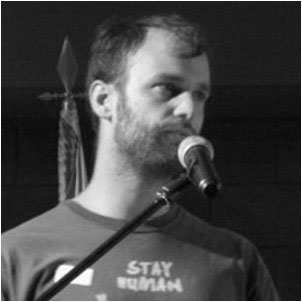
Folco Zaffalon
Bio
Folco Zaffalon holds a bachelor’s degree in International and Diplomatic Sciences and a master’s degree in Mass Media and Politics from the University of Bologna, Forlì Campus (Italy).
He holds a Master’s degree in Human Rights Defense and International Human Rights Law from the University of Santo Tomás in Bogotá, Colombia. He has worked and researched transitional justice issues (truth, justice, reparation, and non-repetition) in Peru and Colombia. He has also collaborated with NGOs on project management, human rights promotion, political impact, and victim support. From 2018 to 2022, he worked at the Colombian Truth Commission as a researcher and advisor to one of the commissioners, specifically in preparing the volume on human rights violations and violations of International Human Rights Law in the Informe Final, coordinating the alliance with Forensic Architecture, the “Huellas de Desaparición” project, and the declassified archives project with the National Security Archive
Monday 15 June
Manfred Nowak
Bio
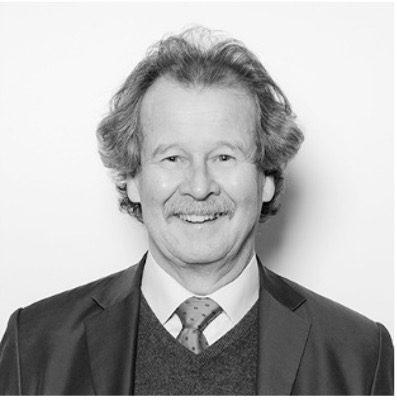
Manfred Nowak is an Austrian human rights expert and academic who served as the United Nations Special Rapporteur on Torture (2004–2010) and as a judge at the Human Rights Chamber for Bosnia and Herzegovina (1996–2003). Manfred Nowak is Professor of Human Rights and Director of the Vienna Master of Arts in Applied Human Rights at the University of Applied Arts in Vienna.
He served in various expert functions, such as UN expert on enforced disappearances (1993-2006), UN Special Rapporteur on Torture (2004-2010), judge at the Human Rights Chamber for Bosnia and Herzegovina (1996-2003) and Vice Chairperson of the EU Fundamental Rights Agency (2013-2018).
In 2016 he was appointed Independent Expert leading the UN Global Study on Children Deprived of Liberty. In addition to his function as Professor of Public and International Law at Vienna University, Manfred Nowak also served as Director of the Netherlands Institute of Human Rights at Utrecht University (SIM: 1987-1989) and of the Ludwig Boltzmann Institute of Human Rights at Vienna University (BIM: 1992-2019) as well as Visiting Professor at the University of Lund (2002-2003), the Graduate Institute of International and Development Studies in Geneva (2008-2009), and at Stanford University in Palo Alto (2014). He is author of more than 600 publications in the fields of public and international law and human rights.
Imke Steimann
Bio
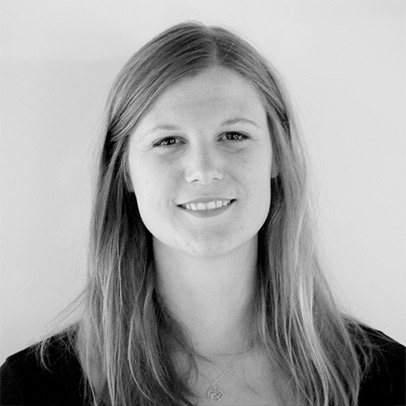
Imke Steimann manages the Office of the Secretary General, which includes coordination of different projects, activities and events.
In her role, she supports the Secretary General and Senior Management in their coordination of the Global Campus at HQ and the international level. She further works closely with the Secretary General on a variety of research activities, supports his teaching, and coordinates missions and activities. She also holds liaison functions with key partner institutions and stakeholders.
Imke is further responsible for the implementation of two projects at the Global Campus. One is a scholarship programme for Afghan students and scholars at risk, which was established with support from the EU and Right Livelihood in response to the human rights crisis in Afghanistan triggered by the Taliban takeover in 2021. The other project is on ‘Reconceptualising Exile’, implemented jointly with Right Livelihood, and supports human rights defenders and experts in exile through a fellowship, networking activities, and research projects. Imke is also the coordinator of the Venice Conference on the Global State of Human Rights, organised by the Global Campus and in partnership with the European Parliament (2021-22) and Right Livelihood (2023-24).
Her academic and research interests are in the field of children’s rights and armed conflict. In this regard, she also supports the GC’s implementation and dissemination activities of the UN Global Study on Children Deprived of Liberty through various research and advocacy activities, including as author of the toolkit on deprivation of liberty of children in the contexts of armed conflict and national security.
Before joining the Global Campus in spring 2020, her work experience included periods at the Munich Security Conference, Child Soldiers International and the German Mission to the UN in New York. She holds an MA in Human Rights from the University of Vienna and a BA in Liberal Arts and Sciences (Major: Governance) from the University of Freiburg, Germany.
Tuesday 16 June
Wiebke Lamer
Bio
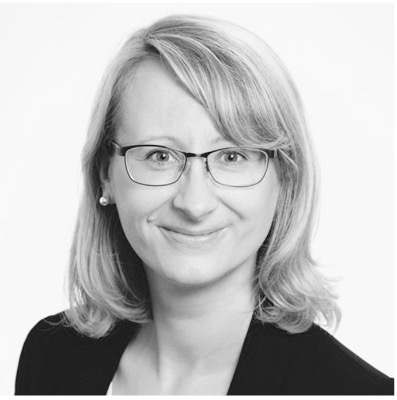
Wiebke Lamer is an educator and trainer specialising in disinformation, media freedom, and the impact of digital technologies on human rights.
Her work focuses on capacity building and training, translating complex digital and information-related risks into practical knowledge for students, educators, and civil society audiences. She held leadership roles at the Global Campus of Human Rights, including EMA Programme Director, and has taught and trained students and practitioners on human rights, press freedom, disinformation, and the societal impacts of digital technologies.
She is the author of Press Freedom as an International Human Right and has led innovative digital learning initiatives, including MOOCs and youth programmes on online disinformation and children’s rights. She holds a PhD in International Studies and has worked internationally at the intersection of human rights, education, and digital transformation.
Wednesday 17 June
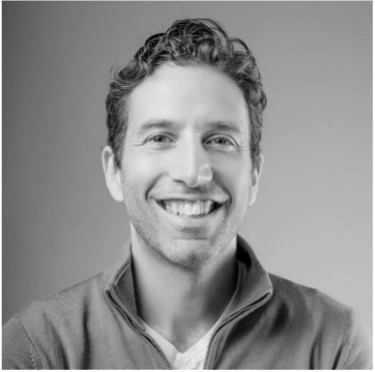
George Ulrich
Bio
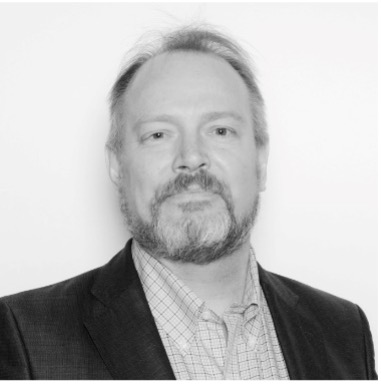
George Ulrich, a Canadian/Danish academic, has been affiliated with the Global Campus in various leading capacities since 2001. He has also held multiple research and managerial roles at the Riga Graduate School of Law.
George Ulrich served as GC Europe / EMA Programme Director from 2016-2019, as Secretary General of EIUC (the predecessor of the Global Campus) from 2003-2009, and as Academic Coordinator / Programme Director of EMA from 2001- 2004. In between these appointments, from 2009 to 2916, he held the position of Rector and Professor of Human Rights at the Riga Graduate School of Law, where he is currently leading researcher and board member. George obtained his Ph.D. as well as an M.A. in Philosophy from the University of Toronto, Canada, and holds the degree of Cand. Mag. in Social Anthropology and History of Ideas from Aarhus University, Denmark.
Among his main research interests are issues related to the history and philosophy of human rights, human rights diplomacy, human rights and development cooperation, health and human rights, international medical ethics, and ethics for human rights professionals. A key focus of his teaching is to equip students to effectively engage with expressions of human rights scepticism. He is one of the joint editors of The Routledge Companion to Music and Human Rights .
Wednesday 17 June
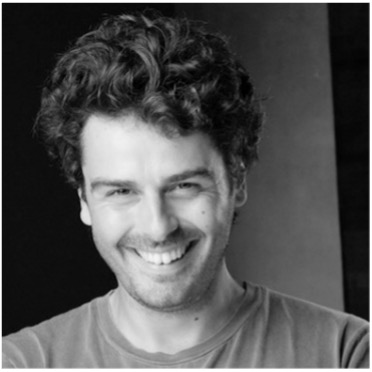
Thomas Coombes
Bio
Thomas Coombes is a global communications strategist who developed an approach called hope-based communications (www.hope-based.com) to help the human rights and other progressive movements develop new narratives for social change. He has spent 15 years working in political communications for Amnesty International, Transparency International, the European Commission and global PR firm Hill & Knowlton. He studied post-colonial history at Trinity College Dublin and obtained a Master in Human Rights and Democratisation at Global Campus of Human Rights.
Wednesday 17 June
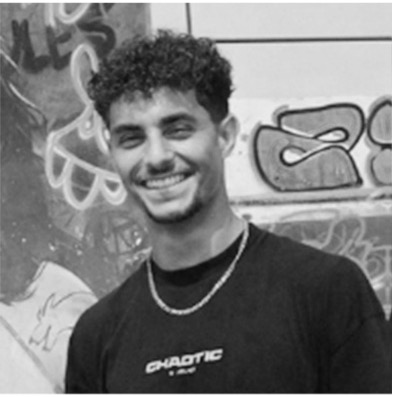
Alessandro Ienzi
Raizes Teatro
Bio
Alessandro Ienzi, a human rights lawyer, director, playwright, and actor, is the founder of Raizes, a nonprofit organization that promotes human rights through the arts and theater.
He has worked as a consultant for IOM Egypt and UNODC Nigeria on the use of art and culture to protect the rights of children and young people in war zones or for refugee communities fleeing violent conflict and destruction. He won the 2025 Mediterranean Prize for promoting peace and dialogue among young people in the Euro-Mediterranean region and the UNETCHAT Prize for promoting children’s rights in conflict zones. He has collaborated with the European Parliament, Columbia University, New York, the EU Fundamental Rights Forum, the Council of Europe, Teatro Di Roma, Teatro Massimo Palermo, and Teatro Biondo di Palermo.
Wednesday 17 June
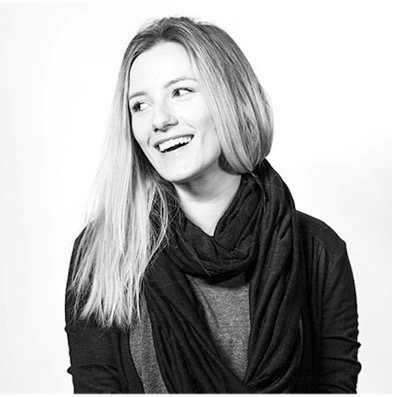
William Cochart
Bio
William Cochart, born on 30th October 2001 in Belgium, is a Belgian-Moroccan artist working at the intersection of freestyle football and contemporary dance. His work transforms the ball into a choreographic partner, a tool of tension, rhythm, and liberation.
Through movement and a ball, he explores the dialogue between control and release, discipline and emotion. He has collaborated with various artists such as David Zambrano, Tino Sehgal, Guilherme Miotto, Vincent Hennebicq and Jérôme Gosset. William Cochart, Belgian Champion in Freestyle Football began his career in international competitions and showcases. Today, he develops a multidisciplinary artistic language within theatre, merging sport, art, and performance.
Thursday 18 June
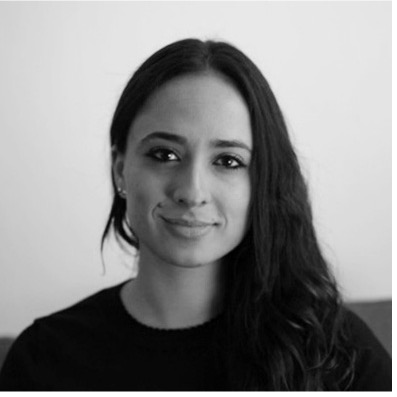
Dalila Mujagic
Bio
Dalila Mujagic is the Managing Director at Napred Collective with over a decade of experience working with grassroots organizations around the world on issues including post-conflict reconstruction, protection of at-risk youth, environmental defense, and grave crimes. She specializes in the use of digital and visual-based evidence in international criminal litigation. Currently, Dalila supports lawyers and human rights activists in ensuring that the video and imagery they capture can help secure justice for their communities.
Dalila’s research is committed to the emerging applications of media forensics and technology for justice, including mobile phones, drones, satellites and synthetic media.
Friday 19 June
Gisela Pérez de Acha
Digital & Physical Security
Bio
Gisela Pérez de Acha is an open source investigative reporter specializing in extremism, AI, and environmental issues. In 2021, she created a unique partnership between UC Berkeley’s Investigative Reporting Program and its Human Rights Center to teach a first-of-its-kind Open Source Investigative Reporting course at Berkeley Journalism.
The class trained journalists how to leverage public social media information to keep power accountable while staying safe online. Gisela won a Polk Award for her work in Frontline’s film American Insurrection and was part of an Emmy award-winning team at the New York Times for a story about The Siege of Culiacán. She left UC Berkeley in 2025 and is currently writing a book while working as a cybersecurity expert and digital safety trainer with PEN America.
In 2026, she launched FactFinder: From Zero to OSINT, a five-month training program for journalists, lawyers, and investigators who want to integrate open source methods into their work. Born and raised in Mexico, Gisela was trained as a lawyer before becoming a journalist and speaks fluent Spanish, English, French, and Portuguese.
Saturday 20 June
Closing session
The session will be led by the OSCE Office for Democratic Institutions and Human Rights (ODIHR), represented by members of its Human Rights Defenders team, Marine Constant and Zala Čas.
ODIHR supports human rights defenders (HRDs) across the OSCE region through a broad range of dedicated activities, including monitoring the situation of HRDs and providing capacity-building support through trainings, including online learning opportunities.
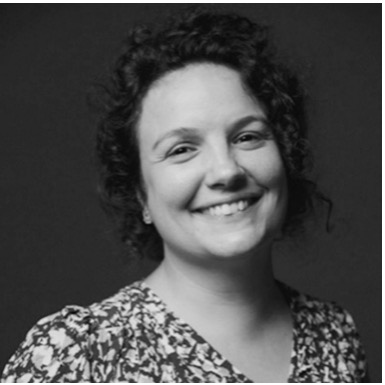
Marine Constant
Bio
Marine Constant is a human rights professional with over a decade of experience in human rights monitoring, protection, and organisational development across Europe, Central Asia, and Southeast Asia. Since 2015, she has worked extensively on strengthening the safety and security of HRDs, supporting civil society actors operating in complex and high-risk environments.
Her expertise spans democratic governance and protection mechanisms, combining field-based monitoring with capacity-building and institutional support. Her current work lies at the intersection of human rights and technology, with a particular focus on developing intuitive tools for human rights education, including initiatives such as Starlight Stadium and FreedomLab designed to support HRDs.
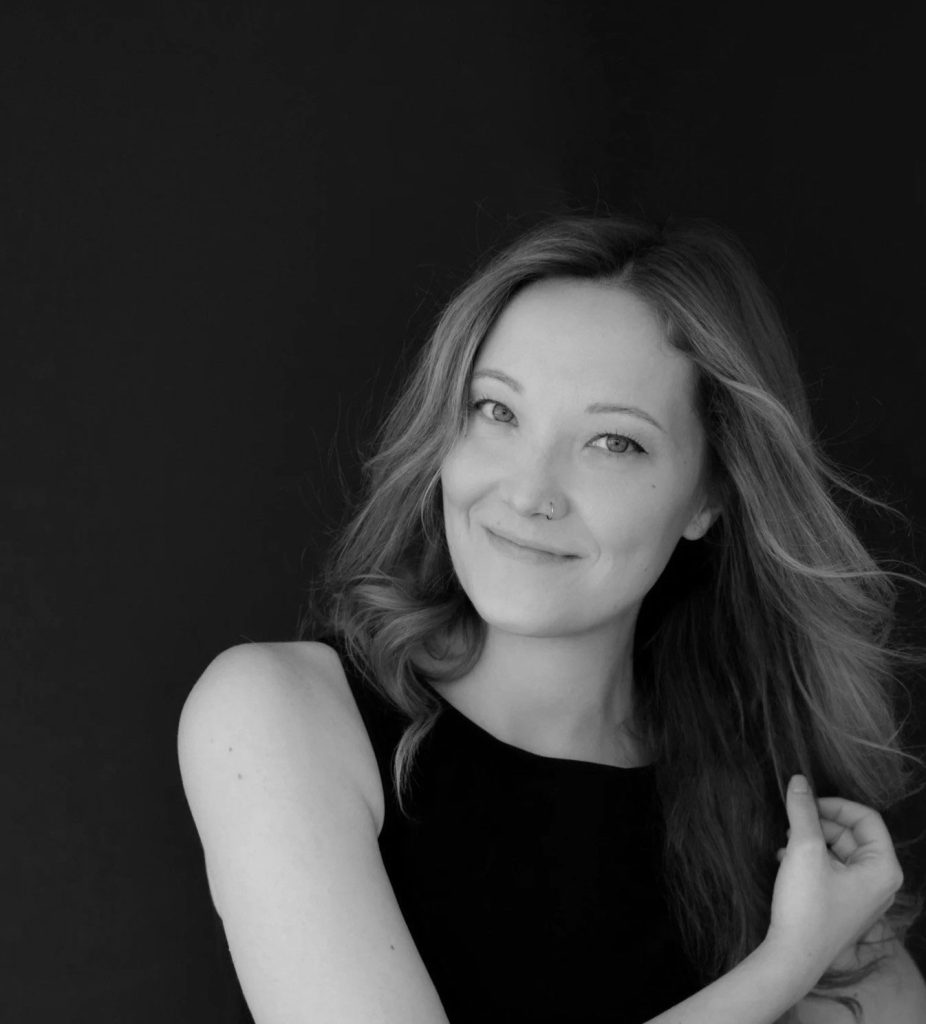
Zala Čas
Bio
Zala Čas is a human rights professional with a background in journalism and human rights, holding a Master’s degree from Global Campus Master’s Programme in Human Rights and Democratisation. She began her career in Slovenia, focusing on fact-checking, countering disinformation, and investigative reporting. Alongside her media work, she co-founded a grassroots LGBTQI+ organization in rural Slovenia, supporting local advocacy and inclusion.
As part of ODIHR’s Human Rights Defenders team, she monitors the situation of HRDs across the OSCE region, supports dialogue between national authorities and civil society, and contributes to capacity-building initiatives for HRDs and NHRIs in often challenging, high-risk environments.